
Blog

SAFE VOICE
Exploring Compassionate Support Solutions
Listening with Heart: Supporting Emotional Well-Being

Every individual experiences moments of struggle, isolation, or emotional pain. During such times, having someone who listens with empathy and without judgment can be a powerful source of comfort. Compassionate listening provides a space where people feel safe to open up, explore their feelings, and begin the healing process. It allows them to feel understood, valued, and supported. Our approach is centered on kindness, patience, and respect, ensuring that no one feels alone in their journey toward emotional well-being.
Listening with Heart: Supporting Emotional Well-Being

Every individual experiences moments of struggle, isolation, or emotional pain. During such times, having someone who listens with empathy and without judgment can be a powerful source of comfort. Compassionate listening provides a space where people feel safe to open up, explore their feelings, and begin the healing process. It allows them to feel understood, valued, and supported. Our approach is centered on kindness, patience, and respect, ensuring that no one feels alone in their journey toward emotional well-being.
Compassion in Action: The Strength of a Listening Heart

Every individual experiences moments of struggle, isolation, or emotional pain. During such times, having someone who listens with empathy and without judgment can be a powerful source of comfort. Compassionate listening provides a space where people feel safe to open up, explore their feelings, and begin the healing process. It allows them to feel understood, valued, and supported. Our approach is centered on kindness, patience, and respect, ensuring that no one feels alone in their journey toward emotional well-being.
Stress Management
Understanding Stress
Stress is a natural reaction to changes or challenges and can serve as a positive motivator in certain situations. However, when stress becomes chronic—lasting over an extended period—it can negatively impact both physical and mental health.
Effects of Chronic Stress
Prolonged stress can contribute to issues such as anxiety, depression, headaches, digestive problems, high blood pressure, and even chronic pain. Recognizing these risks highlights the importance of managing stress effectively.
Benefits of Stress Management
Implementing a stress management plan helps individuals build healthy coping skills, control stress-related symptoms, and improve overall well-being. Effective stress management can also help reduce the intensity of chronic pain by calming the nervous system and improving mood.
Key Strategies
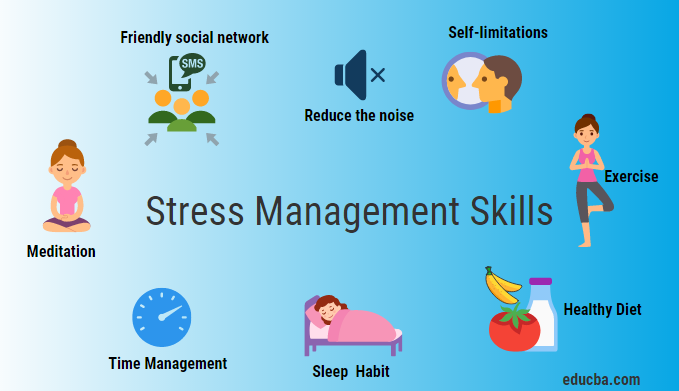
Techniques like deep breathing, mindfulness, physical activity, time management, and seeking social support are valuable tools for stress relief.
Understanding and Supporting Someone With Chronic Pain

Chronic pain is ongoing pain lasting over six months, often without a clear cause. It differs from acute pain, which stems from specific injuries. Chronic pain can be exhausting and isolating, making support essential.
To help a loved one with chronic pain:
Learn about their pain: Ask where it hurts, when it started, and how it affects daily life.
Understand the pain scale: Use 1-10 to gauge pain intensity.
Recognize signs of pain: Look for mood changes, restlessness, or reduced activity.
Show empathy: Acknowledge their daily effort to appear “normal.”
Respect limits: Believe them when they say they need rest or can’t participate.
Offer support: Assist with tasks, keep inviting them to activities, and avoid taking cancellations personally.
Be alert to depression: Chronic pain often leads to depression. Offer emotional support and encourage professional help.
Understanding, patience, and empathy are key in supporting those with chronic pain.
Potential Personal Consequences of Stigma

Potential Personal Consequences of Stigma
Treatment Barriers
Stigma may cause individuals to avoid or delay seeking help for mental or physical health conditions. It can also reduce their likelihood of continuing treatment, fearing judgment or discrimination.
Emotional and Social Impact
Stigma can lead to bullying, harassment, or strained relationships. It often lowers self-esteem, increases feelings of isolation, and contributes to anxiety or depression.
Limited Opportunities
People facing stigma may experience fewer opportunities for employment, education, or housing, limiting their personal growth and independence.
Breaking the Cycle of Stigma
Education, empathy, and compassion are key to overcoming stigma. When people make an effort to understand others’ experiences, they help create a more inclusive and supportive society.